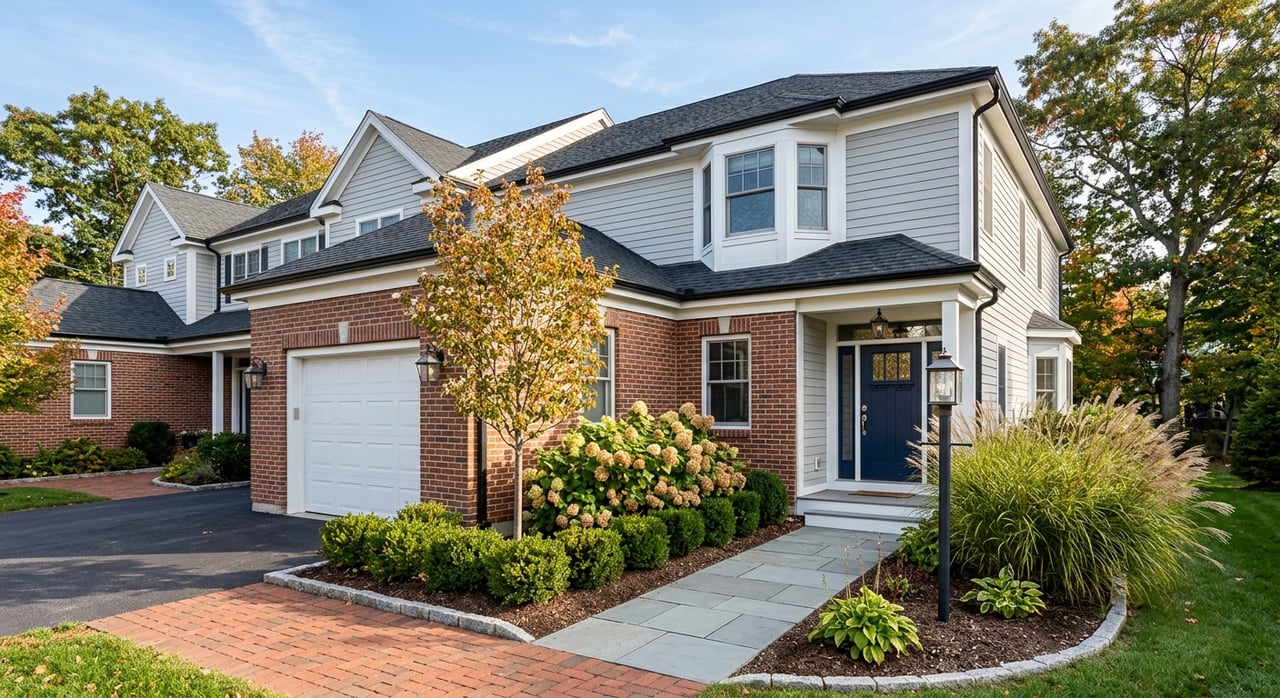
Buying and Selling in Hartland Without the Stress
May 28, 2026
May 28, 2026
Trying to buy your next home while selling your current one in Hartland can feel like a high-wire act. You want the best possible price on the home you own, but you also do not want to miss the right next move or end up scrambling for a place to stay. The good news is that with the right timing, contract strategy, and buffer planning, you can make both sides of the move work together. Let’s dive in.
Hartland does not always move at the same pace as the broader county, which is why broad market headlines only tell part of the story. In March 2026, Realtor.com showed 116 homes for sale in Hartland, a median listing price of $420.9K, a median 40 days on market, and a 100% sale-to-list ratio. That same month, Livingston County showed 904 active listings, a median listing price of $425K, a median 29 days on market, and a 100% sale-to-list ratio.
A local county report from January 2026 painted a slightly different picture, with 261 homes for sale, 1.6 months of inventory, 50 days on market until sale, and a median sales price of $399,498. The takeaway is simple: your likely timeline is usually measured in weeks, but the best strategy can vary by neighborhood, price point, and current buyer demand. That is why coordinating a sale and purchase in Hartland should be based on your situation, not a one-size-fits-all rule.
Before you talk about moving trucks or closing dates, you need to answer one key question: should you sell first or buy first? The right answer usually depends on your equity, your financing strength, and how much overlap your budget can handle.
If you need your sale proceeds for the next down payment, selling first is often the safer path. If you have strong cash flow and financing options, buying first may give you more flexibility and reduce the pressure to find a home fast. Each path can work, but each comes with tradeoffs.
Selling first can reduce financial strain because you know exactly how much equity you have to work with. It also lowers the risk of carrying two housing payments at once, which matters in a market where mortgage costs can add up quickly.
This route can be especially helpful if your next purchase depends on the proceeds from your current home. It may also make your purchase offer cleaner if you are already under contract or already closed on your sale. The tradeoff is that you may need a temporary housing plan if your next home is not ready in time.
Buying first can work well if you want more control over your move and do not want to feel rushed into your next purchase. It can also help if you have a very specific target area, home style, or timing need.
The challenge is affordability during the overlap. Freddie Mac reported the average 30-year fixed rate at 6.51% on May 21, 2026, so briefly carrying two homes or using short-term financing is not just a timing issue. It is also a monthly cash-flow decision.
If you are buying and selling at the same time, the contract terms matter just as much as the listing strategy. Several common tools can help reduce risk and give you more breathing room.
A home-sale contingency gives you time to sell your current home before moving forward with the new purchase. This can protect you from owning two homes if your current property does not sell on schedule.
In practical terms, this option can be helpful if you need your sale to happen first. The downside is that some sellers may prefer offers without that condition, especially if they have other strong options. Whether it is realistic in Hartland depends on the property, price range, and what competing buyers are doing at that moment.
A home-close contingency is slightly different. It gives you time not just to sell your home, but to actually close on that sale before purchasing the next one.
This can be useful when your home is already under contract and you mainly need the final closing to happen before your purchase goes through. It often feels more specific and may be easier to explain in a negotiation than a broader sale contingency. Still, acceptance will depend on the seller’s timeline and leverage.
If a seller accepts your contingent offer, they may still want the right to keep marketing the property. A kick-out clause allows that seller to continue showing the home and potentially accept a stronger non-contingent backup offer.
If that happens, you may need to remove your contingency within a set period or step aside. This is one reason clear communication and fast decision-making matter when you are juggling two transactions at once.
A rent-back gives you the option to sell your current home and remain in it for a short time after closing, if both sides agree. This can be one of the cleanest ways to avoid a gap between closings.
For Hartland homeowners, a rent-back can create breathing room if your sale closes before your purchase. It may help you avoid moving twice, rushing repairs, or paying for short-term storage and temporary housing. Like any contract term, it needs to be negotiated clearly upfront.
If you want to buy before you sell, bridge or swing financing is the main tool to understand. Fannie Mae allows a bridge loan in certain situations if it is not cross-collateralized against the new property and if the lender documents that you can carry the current home, the new home, the bridge loan, and your other obligations.
That matters because a bridge loan is not a magic fix. Your lender still has to confirm that the numbers work. In a higher-rate environment, the real question is often not just can you do it, but whether the temporary overlap fits your monthly budget comfortably.
Before using bridge financing, think through:
Even when everything looks lined up on paper, the final stretch can still shift. That is why a same-day sale and purchase should include some margin for error.
The CFPB says the lender must provide the Closing Disclosure at least three business days before the mortgage closing. It also notes that closings can take several weeks as signatures are collected, depending on the state and closing method. In plain terms, if your lender is late or paperwork drags, your whole chain of timing can move.
A small delay on one side can create a larger problem on the other side. Movers, utility transfers, possession dates, school-week routines, and work schedules all get harder if you plan with no cushion.
That is why many move-up and downsizing households benefit from building in a short buffer. A few extra days between transactions, a negotiated rent-back, or a temporary housing backup can keep a stressful week from becoming a full-blown crisis.
In Michigan, seller disclosure timing is not a minor detail. For residential properties with one to four dwelling units, the written disclosure must be delivered before a binding purchase agreement is executed.
If it is delivered later, the buyer may have the right to terminate within 72 hours if the disclosure was delivered in person or within 120 hours if mailed. The law also states that failing to provide a signed disclosure statement can allow a purchaser to terminate an otherwise binding purchase agreement. If conditions in the home change between the disclosure and closing, the seller must disclose those changes as well.
For a homeowner trying to coordinate a sale and purchase at the same time, this is important because paperwork delays can affect your timeline. Getting your disclosure forms handled early can help reduce last-minute risk.
Coordinating both sides of a move works best when you break it into steps. Instead of trying to solve everything at once, focus on the decisions that shape your timing and risk.
Start by estimating how much equity you will likely net from your current home. Then compare that figure to what you need for your next down payment, closing costs, moving expenses, and reserves.
This step helps answer whether selling first is necessary or whether buying first is a realistic option. It also helps you decide how much overlap you can afford if your closings do not line up perfectly.
Some homeowners are comfortable with a contingency because they want protection. Others prefer to sell first and secure proceeds before shopping. Still others may explore bridge financing so they can buy with more flexibility.
There is no universal best answer for Hartland. The right path depends on how much uncertainty you can tolerate financially and logistically.
Because timing matters, it helps to get ahead of listing prep. That includes disclosure paperwork, pricing strategy, repairs, staging decisions, and a realistic understanding of how long your home may take to attract an offer.
When your home is ready before you start rushing toward the next purchase, you give yourself more control. You also reduce the chance that listing delays push your entire plan off track.
If you are likely to sell first, you may want to discuss possession flexibility or a rent-back. If you are trying to buy before you sell, a home-sale or home-close contingency may be part of the conversation.
The contract should support your real timeline, not an ideal one. Good coordination comes from choosing terms that match your budget, your leverage, and your fallback options.
A coordinated move depends on communication between your lender, title company, and everyone involved in both transactions. Dates should be checked often, not assumed.
This matters even more as closing approaches. If one piece starts slipping, quick updates can help you adjust moving plans, possession timing, and backup housing before the issue grows.
Because Hartland and Livingston County data send slightly different signals, the strongest strategy is usually the one built around your personal numbers and timing needs. If your budget is tight and your next purchase depends on sale proceeds, selling first or negotiating a rent-back may offer the most stability.
If you have more flexibility and can comfortably carry overlap costs, buying first may open more options. If you are in between, a home-close contingency can sometimes create a workable middle ground. The key is to choose the path that protects your finances while keeping your move realistic.
When you are weighing the timing of two closings, details matter. If you want a calm, experienced guide through the Hartland process, reach out to Sherry Cynowa for clear communication, step-by-step planning, and results-focused support.
Stay up to date on the latest real estate trends.


Veteran Michigan Real Estate Agent since 1994, Sherry is “short in stature and tall on results,” bringing local expertise and a passion for helping you achieve your real estate goals.