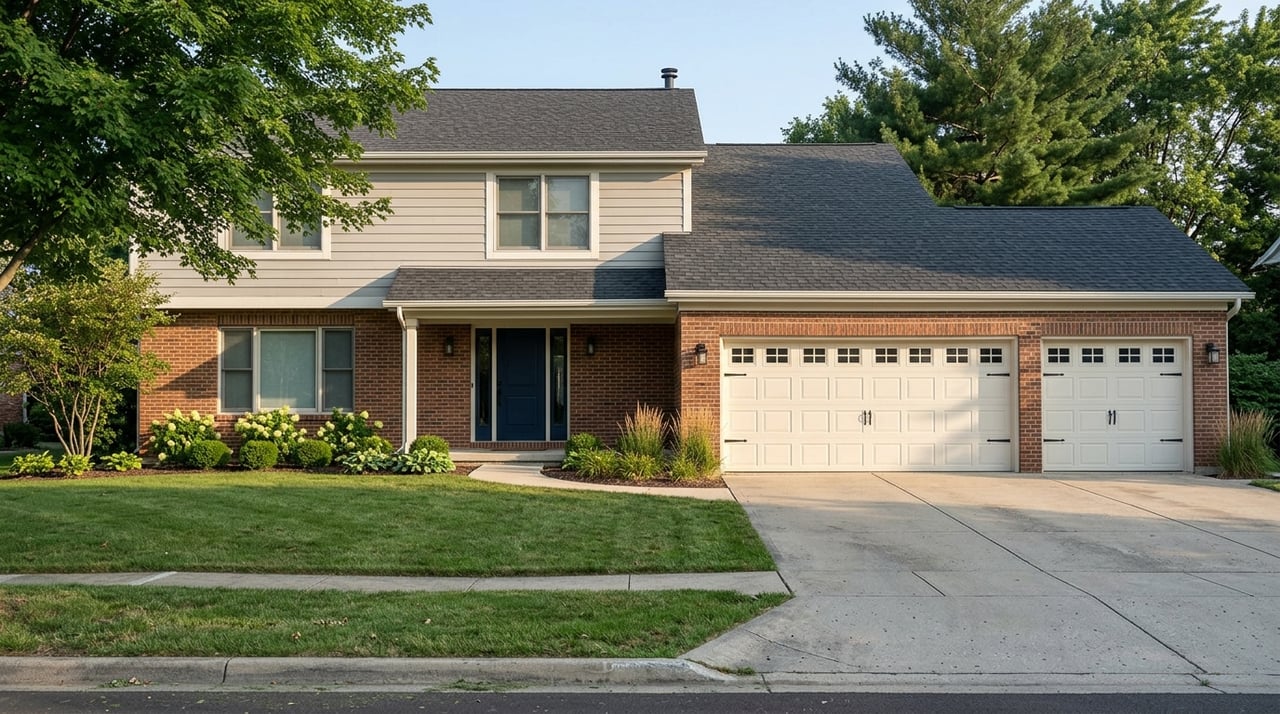
Considering Moving to Hartland MI for More Space?
May 21, 2026
May 21, 2026
Thinking about trading a tighter lot and heavier traffic for a little more breathing room? If you work in places like Farmington Hills, Troy, Warren, or other Metro Detroit job centers, Hartland often comes up for one big reason: it can offer more house and more land without pushing you completely out of reach of your commute. If you are weighing that move, this guide will help you understand what daily life, housing options, and travel realities look like in Hartland. Let’s dive in.
Hartland Township is built around a mix of rural, suburban, and lake living. The township points to the M-59 and US-23 area as its central business district, with a village area that includes local businesses, Hartland Music Hall, and Cromaine Library. That mix gives you a quieter setting while still keeping everyday services nearby.
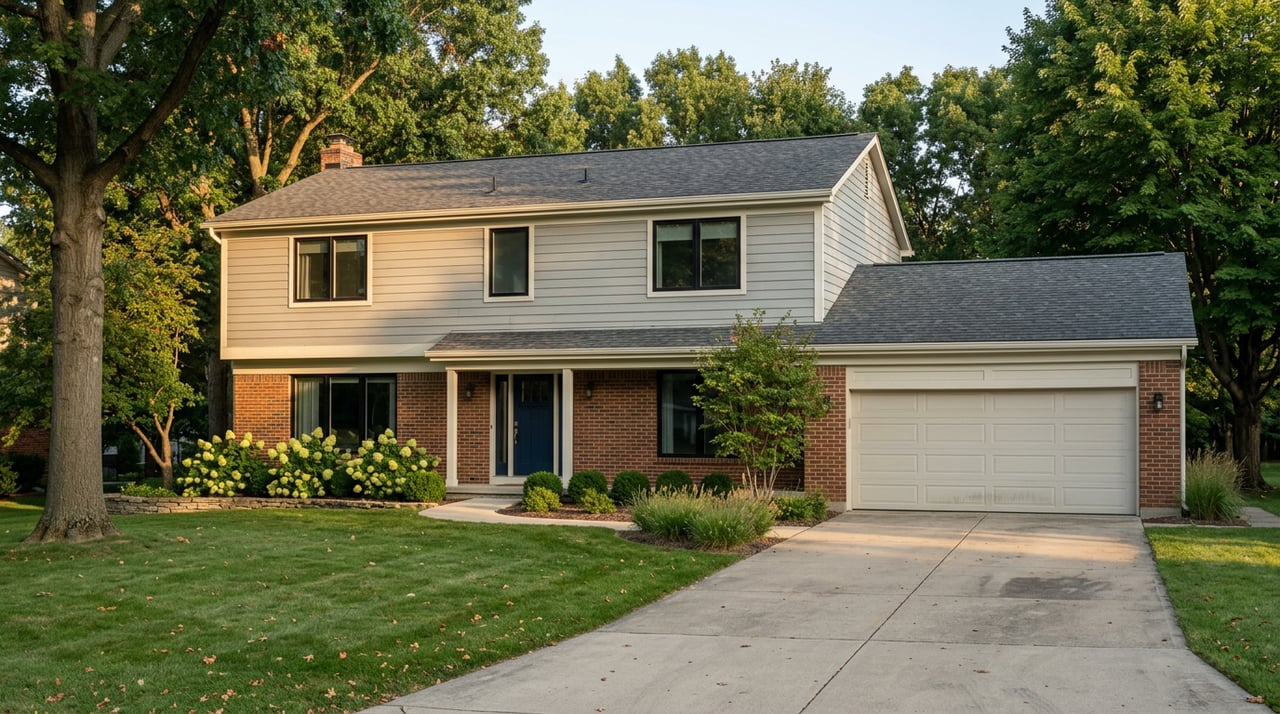
For many buyers, the biggest draw is simple: space. Hartland is not a one-size-fits-all market, and township planning documents show a wide range of residential patterns, from estate-style parcels to suburban lots and some more compact residential pockets near major corridors. That makes it a practical option if you want more room but are not ready for a fully rural lifestyle.
The ownership profile also tells you something about the market. Census QuickFacts estimates Hartland Township at 16,003 residents in 2024, up from 15,256 in 2020, and reports an owner-occupied rate of 91.2%. In short, this is a community where homeownership plays a major role.
When buyers say they want more space, they do not always mean the same thing. In Hartland, that could mean a larger backyard, fewer homes packed together, or a property with acreage. The township’s future land-use plan helps show why Hartland stands out for buyers who want those options.
Estate Residential is the township’s largest land-use category at 10,482 acres, and it is intended for very low-density homes with an average of more than 2 acres per dwelling. Rural Residential is planned at 3 or more acres per dwelling. Medium Suburban Density areas generally allow about half-acre to one-acre lots, while Medium Urban Density and High Density Residential cover more compact options in select areas.
That range matters because it gives you choices. You might find a larger-yard suburban home that still feels neighborhood-oriented, or you might prefer an estate-style setting with more land and privacy. Hartland can serve both, which is one reason it attracts move-up buyers coming from closer-in suburbs.
Space is not only about lot size. It also affects how a place feels when you drive through it or come home at the end of the day. Township planning documents note that some parts of Hartland have narrow, winding roads and long cul-de-sacs, which help preserve the rural feel and reduce through-traffic.
That design tradeoff is worth understanding. You may get a quieter setting and a more tucked-away feel, but not every route will be as direct as a standard suburban grid. If you are relocating from a more built-out area in Oakland or Macomb County, that can feel like a meaningful lifestyle shift.
The phrase “without losing the commute” should always come with a reality check. Hartland works best for buyers who are comfortable driving and who want a highway-based commute rather than a short hop to a nearby office. Township planning materials describe US-23 as a limited-access route with interchanges at Clyde Road and M-59, which is a big part of how residents connect to surrounding job centers.
At the same time, MDOT notes that Metro Detroit travel times can be unreliable. So while map estimates are useful, your real-world commute may vary depending on the day, season, and traffic conditions. That is an important part of the decision.
Here are some current route estimates from Hartland Township to key destinations:
| Destination | Approximate Drive Time |
|---|---|
| Ann Arbor | 30 to 33 minutes |
| Flint | 30 minutes |
| Farmington Hills | 34 minutes |
| Southfield | 39 minutes |
| Livonia | 42 minutes |
| Troy | 43 to 44 minutes |
| Warren | 48 minutes |
| Lansing | 49 minutes |
| Detroit | About 1 hour |
If you commute to Farmington Hills, Troy, or Warren a few days a week and want more living space at home, Hartland may feel like a reasonable middle ground. If you need a very short or highly predictable daily drive, you will want to weigh that carefully before making a move.
A move for more space only works if day-to-day life still feels practical. Hartland’s main retail core is centered around the M-59 and US-23 corridor, and the township identifies Hartland Towne Square, Hartland Marketplace, Meijer, and the Emagine theater as part of the area’s shopping and entertainment options. That gives you access to errands and everyday needs without leaving the community for every stop.
The village area adds another layer of local identity. Hartland Music Hall and Cromaine District Library help anchor that part of town, creating places that are about more than errands alone. Cromaine serves Hartland from 3688 N. Hartland Rd. and offers resident library cards, study rooms, and reservable meeting rooms.
For many buyers, that blend is the sweet spot. You can enjoy a more open residential setting while still having nearby access to shopping, services, and community spaces.
Hartland also gives you solid recreation options that support an active routine. Settlers Park includes 100 acres of rolling fields, wooded areas, and wetlands. Hartland Heritage Field offers about 30 acres of athletic fields, and Don Epley Community Park sits next to Village Elementary with a playground and open green space.
These amenities matter because they shape how a town feels beyond the house itself. If you are moving for more room, parks and open land often become part of that value equation. They give you more ways to enjoy the setting you are choosing.
Before you move, it helps to understand the broad cost picture. Census QuickFacts reports a median owner-occupied home value of $378,300 in Hartland Township. The same source lists median monthly owner costs at $1,949 with a mortgage and $719 without one, along with a median gross rent of $1,346.
Those numbers do not tell you exactly what any one home will cost, but they do help frame the market. If you are comparing Hartland to communities closer to major employment centers, the bigger question is often not just price alone. It is what you get for that price in terms of lot size, home size, and overall setting.
Hartland can be a strong fit if you want a home search focused on space, ownership, and a quieter pace while still staying connected to Metro Detroit by car. It especially makes sense for move-up buyers who feel squeezed by smaller lots or tighter neighborhood layouts in closer-in suburbs. The township’s mix of estate, rural, and suburban residential areas supports that kind of move.
It can also work well if you want flexibility in housing style. Some buyers want acreage. Others want a neighborhood home with a bit more yard and breathing room. Hartland offers both, which gives you more room to match the home to your lifestyle instead of forcing a single type of move.
Before you decide on Hartland, think through a few practical points:
These questions can help you narrow the right part of Hartland for your needs. They also make it easier to balance house goals with daily routine.
If Hartland is on your short list, it helps to search with a clear plan. Start by defining what “more space” means to you in real terms. A half-acre lot, an acre, or several acres can create very different home search results and very different maintenance expectations.
Next, map your likely drive times to work, errands, and the places you visit most often. In a market like Hartland, location within the township can affect how your routine feels. Finally, compare not just listing prices, but the full tradeoff between commute, lot size, home size, and convenience.
A move like this is rarely only about square footage. It is about finding the right balance between your home life and your weekly routine.
If you are considering a move to Hartland and want clear, step-by-step guidance on neighborhoods, commute tradeoffs, and what to expect in the local market, connect with Sherry Cynowa for practical help tailored to your goals.
Stay up to date on the latest real estate trends.

Veteran Michigan Real Estate Agent since 1994, Sherry is “short in stature and tall on results,” bringing local expertise and a passion for helping you achieve your real estate goals.