Preparing Your Milford MI Home For Appraisal And Closing
June 11, 2026
June 11, 2026
Wondering what could still derail your sale after your Milford home goes under contract? For many sellers, the appraisal, inspection response, and final closing steps are where stress can spike. The good news is that with the right preparation, you can reduce surprises, protect your timeline, and move to the closing table with more confidence. Let’s dive in.
Once you accept an offer, your home is not fully sold yet. There are still several steps between contract and closing, and each one can affect timing.
In many transactions, the buyer’s lender orders the appraisal, and the buyer usually pays for it. The appraisal process can take anywhere from a few days to a few weeks, even though the appraiser’s visit to the property may only take a couple of hours.
This stage can feel quiet from the seller’s side, but a lot is happening behind the scenes. The lender, title team, buyer, and agents are all working through details that need to line up before closing day.
An appraisal is the lender’s opinion of value for the property. It is different from a home inspection, and that distinction matters.
The inspection looks more closely at the home’s components and condition. The appraisal focuses on value, using the property itself, recent similar sales, and broader market trends as part of the analysis.
If the appraised value matches or supports the purchase price, the transaction usually keeps moving. If the value comes in low, the deal may reopen for negotiation even after the contract is signed.
Appraisers generally look at several factors when forming a value opinion, including:
As a seller, you cannot control every factor on that list. You can, however, make sure your home is presented clearly and that important factual information is easy to review.
The best appraisal prep is practical, not flashy. You are not trying to create a showroom. You are helping the appraiser see the home clearly and understand its condition and updates.
Start with the basics. A home that feels cared for is easier to evaluate, and routine maintenance can support a smoother appraisal visit.
Before the appraiser arrives, try to:
These steps do not guarantee a certain value. They do help the appraiser complete the visit efficiently and form a full picture of the property.
The Appraisal Institute advises homeowners to be prepared when the appraiser visits and to have relevant property information available. This is one of the most useful things you can do.
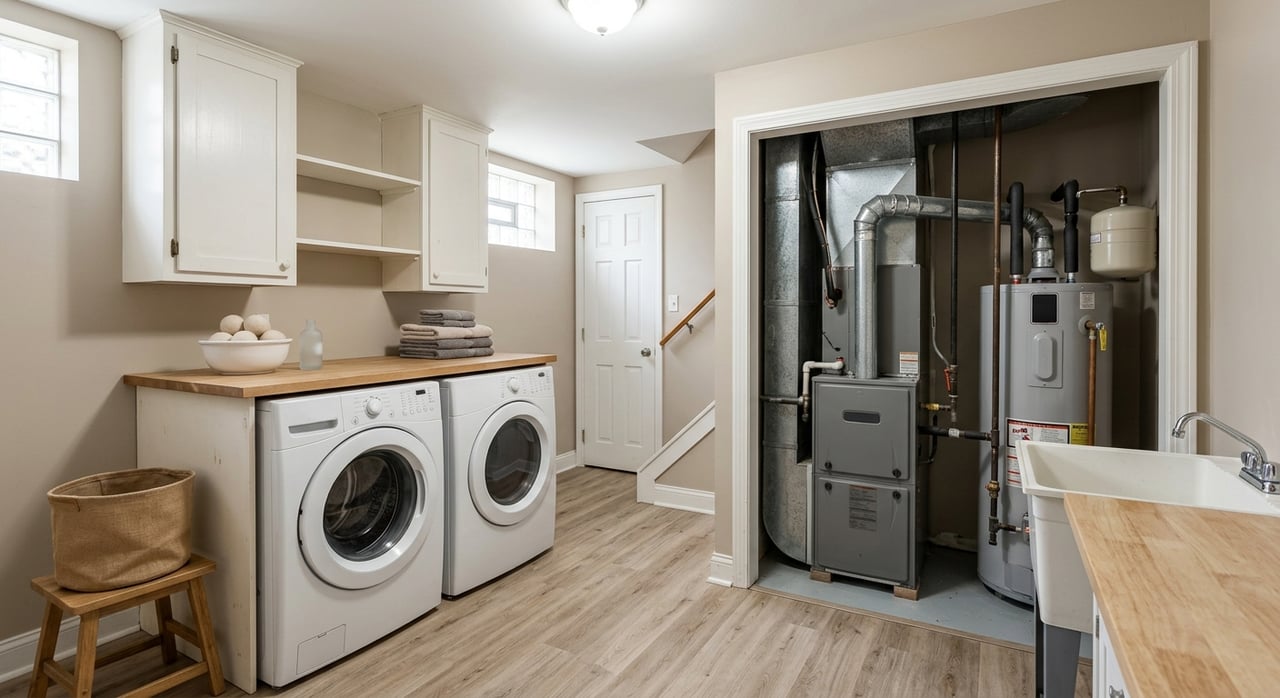
Consider preparing a simple list of factual updates or enhancements, such as recent roof work, furnace or water heater replacement, kitchen or bath updates, window replacement, or major landscaping improvements. Keep the list accurate and specific so your agent can share it if appropriate.
It is reasonable to point out home enhancements. The key is to stay factual.
For example, it helps to note that you replaced the HVAC system in a certain year or finished a space with permits if that applies. It is less helpful to make broad value claims. Clean facts are more useful than sales language.
Many sellers blend these two steps together, but they serve different purposes. Knowing the difference can help you respond more calmly if issues come up.
An appraisal is about value for the lender. An inspection is a more detailed review of the home’s systems and components for the buyer.
If the inspection identifies concerns, the buyer may ask you to make repairs, offer a credit, or adjust terms depending on the contract. If the inspection contingency allows it, the buyer may also be able to cancel without penalty.
Some repair requests are minor and easy to resolve. Others can create bigger closing challenges.
If an inspection or appraisal reveals major repairs, the lender may require the property to meet certain standards before closing. In some cases, repairs may need to be completed first, or funds may need to be set aside for the work after closing.
That is one reason it helps to stay responsive once your home is under contract. Delays often happen when repair questions, invoices, or access arrangements sit too long.
A low appraisal does not always mean the deal is dead. It does mean the next steps need to be handled carefully.
If the appraised value is below the purchase price, the buyer may try to renegotiate the price, increase the down payment, or walk away depending on the contract terms. This is one of the most common points where a signed deal can shift.
As a seller, your best move is usually to stay calm and review the facts. A detail-focused agent can help you understand what options are realistic based on the contract and the transaction timeline.
The Appraisal Institute notes that homeowners should review the report for factual accuracy later. That does not mean arguing over opinion. It means checking whether the basic property details are correct.
If something important is wrong, such as square footage, room count, or a major improvement that was missed, your agent can help raise the issue through the proper channels. Accuracy matters, especially when timing is tight.
As closing gets closer, it is important to remember that your disclosure obligations do not end when you sign the purchase agreement. In Michigan, the Seller Disclosure Act says the disclosure statement is based on the seller’s knowledge, is not a warranty, and is not a substitute for inspections.
If the condition of a structural item, mechanical system, or appliance changes between signing and closing, you must immediately disclose that change. The law also allows written amendments.
This matters in real life more than many sellers expect. If the sump pump fails, the refrigerator included in the sale stops working, or a plumbing leak appears before closing, speak up right away rather than hoping it will wait until after possession.
Closing, sometimes called settlement, is the final step where documents are signed and ownership is transferred. Depending on local practice, the closing table may include the buyer and seller, agents, a title insurance company, an escrow company, and sometimes an attorney.
For Milford sellers in Oakland County, there are a few county-specific details that can affect timing and costs. Deeds with warranty clauses, warranty deeds, and land contracts must be tax certified at the county treasurer’s office before recording.
Oakland County lists a $30 recording fee for deeds, mortgages, lis pendens, and similar instruments. The county also lists a county transfer tax of $1.10 per $1,000 and a state transfer tax of $7.50 per $1,000, and Michigan Treasury says the seller or grantor is liable for the state real estate transfer tax.
One of the simplest ways to keep your closing on track is to respond quickly to requests from the title or closing team. Missing paperwork, delayed signatures, or unresolved tax and title questions can slow things down fast.
If your agent asks for documents, identification, payoff information, or clarification on a title question, try to handle it as soon as possible. Good communication is often what keeps a smooth deal from turning into a rushed one.
Buyers commonly complete a final walkthrough before closing. This is not usually a new inspection. It is a practical check to confirm the home is in the condition promised in the contract.
Before that walkthrough, make sure you have fully moved out unless your agreement says otherwise. Leave the home in the agreed condition, and make sure anything included in the sale is still there and accessible.
A simple final checklist can help:
Preparing your Milford home for appraisal and closing is really about reducing friction. Clean presentation, accurate information, quick communication, and follow-through on agreed items can make a big difference once the contract clock starts ticking.
If you are selling in Milford or elsewhere in Western Oakland County, having experienced guidance through the appraisal, inspection response, title work, and closing details can help you avoid last-minute surprises. When you want steady communication and step-by-step support from contract to closing, connect with Sherry Cynowa.
Stay up to date on the latest real estate trends.



Veteran Michigan Real Estate Agent since 1994, Sherry is “short in stature and tall on results,” bringing local expertise and a passion for helping you achieve your real estate goals.